The Unstoppable Workforce: 7 Executive Strategies for Self-Leadership to Future-Proof Your Talent ROI
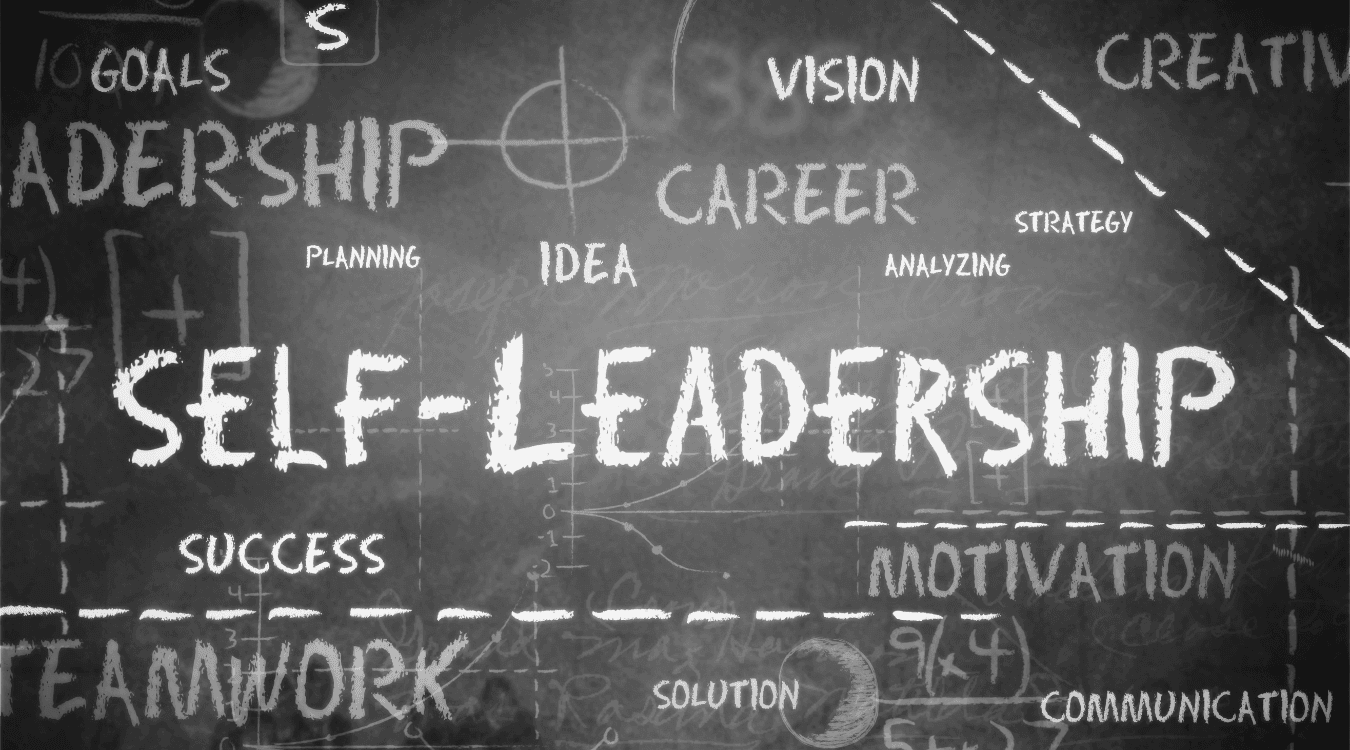
Image by Canva
The Urgent Pivot from Talent Management to Talent Empowerment
The velocity of change—driven by AI, hybrid operations, and volatile talent markets—has created a critical gap in organisational resilience. Today, your greatest operational risk is not technology adoption, but human capacity.
HR leaders are no longer managing talent; they must engineer empowerment. The secret to closing the skills gap, driving innovation, and reducing costly attrition is fostering Self-Leadership—the internal capacity for individuals to direct their own growth, performance, and purpose.
This is the imperative: an organisation's future-readiness is a direct measure of its employees' self-mastery. Here are the 7 strategic shifts every HR executive must champion to cultivate an unstoppable workforce.
1. Strategic Self-Assessment: The Data Point for Development ROI
To future-proof your workforce, you must first eliminate assumptions about capability. Strategic self-assessment moves beyond simple feedback into a data-driven process where employees objectively audit their current skill sets against future organisational needs.
This shift converts abstract "gaps" into measurable development targets, allowing HR to strategically allocate training budgets for maximum Return on Investment (ROI).
📈 Executive Action: Mandate the use of structured, future-facing skills audits (e.g., adjacent skill identification) as the first phase of the Annual Performance Review cycle. Link promotion tracks directly to the outcomes of these self-assessments.
2. Reflection: The Antidote to Organisational Complacency
Experience is only valuable when it is consciously processed. In high-stakes, fast-moving teams, reflection is the invisible skill that prevents mistakes from being repeated and sustains intellectual agility. It transforms activity into insight.
HR must institutionalise reflection—not as a soft skill, but as a mandatory operational discipline that extracts learning from successes and failures alike.
🧠 Executive Action: Implement a Mandatory After Action Review (AAR) protocol for all major projects, explicitly dedicating time to ask: "What beliefs or assumptions did we confirm or disrupt?" Publish these insights anonymously across the organisation to create a shared wisdom bank.
3. Self-Awareness: The Risk Mitigation Strategy for EQ
Emotional Intelligence (EQ) reduces friction, improves collaboration, and is the single most important factor in effective leadership. The foundation of EQ is Self-Awareness—the precise, objective understanding of one's own triggers, impact, and motivators.
For HR, developing self-awareness is a critical risk mitigation strategy against costly internal conflict, miscommunication, and poor managerial decision-making.
🤝 Executive Action: Integrate objective behavioural assessments and 360-degree feedback tools (focusing on impact, not intent) into all High-Potential (HiPo) leadership programs. Use one-on-one coaching to help leaders translate behavioural data into transparent, actionable Self-Management plans.
4. Self-Development: Cultivating a Mindset of Perpetual Relevance
The outdated model of mandatory, one-size-fits-all training is an expense. Self-Development is the cultivation of a proactive curiosity that drives individuals to seek out skills needed for tomorrow's roles.
HR leaders must pivot from content provision to curiosity enablement. When employees own their learning trajectory, they become essential drivers of the organisation's competitive edge.
🚀 Executive Action: Shift L&D funds to a "Personalised Learning Grant" model that requires the employee to justify the business case for the course or mentorship. Launch an internal, gamified Skill Exchange Marketplace that rewards employees for cross-training peers.
5. Self-Confidence: The Catalyst for Innovation and Psychological Safety
Confidence is the internal trust required to move from an idea to execution. It is built not by platitudes, but by small, consistently acknowledged victories.
HR leaders foster a culture of confidence by creating psychological safety, where the fear of failure is less than the drive to innovate. This translates directly into higher rates of proactive problem-solving.
🔥 Executive Action: Establish a transparent, non-punitive "Innovation & Failure Debrief" process. Reframe failure metrics (e.g., number of failed experiments) as leading indicators of R&D effort and reward attempts at breakthrough, not just guaranteed successes.
6. Self-Leadership: Decentralising Accountability and Capacity
In a hybrid, decentralised world, waiting for top-down direction is organisational lag. Self-Leadership is the strategic distribution of ownership throughout the workforce. It empowers every employee to operate as a decision-maker aligned with organisational values.
This reduces managerial bottlenecks, increases accountability, and is the key to scaling your talent without increasing overhead.
🧭 Executive Action: Re-engineer job descriptions and performance metrics to focus on autonomy and outcome ownership rather than process adherence. Introduce "Leadership Alignment" workshops that define self-mastery as the prerequisite for managing any resource, including one's time.
7. Self-Alignment: Connecting Individual Purpose to Organisational Resilience
High-performing employees don't just work for a paycheck; they work with purpose. Self-Alignment is the strategic harmonisation of an employee's personal values and career trajectory with the company's core mission.
When alignment is high, engagement skyrockets and retention becomes less about benefits and more about shared destiny, building a workforce resilient to external market turbulence.
💡 Executive Action: Integrate a "Purpose Mapping" module into onboarding and annual career development discussions. Ensure leaders are trained to connect every team objective to the company's broader societal impact, making the why explicit and personal.
Conclusion: The Future Belongs to the Self-Empowered
The investment you make in cultivating Self-Leadership today is the insurance policy for tomorrow's talent crisis. Organisations that empower their people to assess, develop, and align themselves are not just surviving volatility—they are harnessing it.
The strategic path forward for HR is clear: stop managing talent and start engineering empowerment.
Secure Your Future Talent Edge: To explore strategic frameworks for embedding self-mastery across your entire organisation and measuring its impact on your retention and innovation metrics, request an Executive Briefing on the Meta-Skills Framework today.
Tags:
Comments (0)
Get started
Want to explore this further?
Book a discovery call to discuss how reflective capability development can support your organisation.